
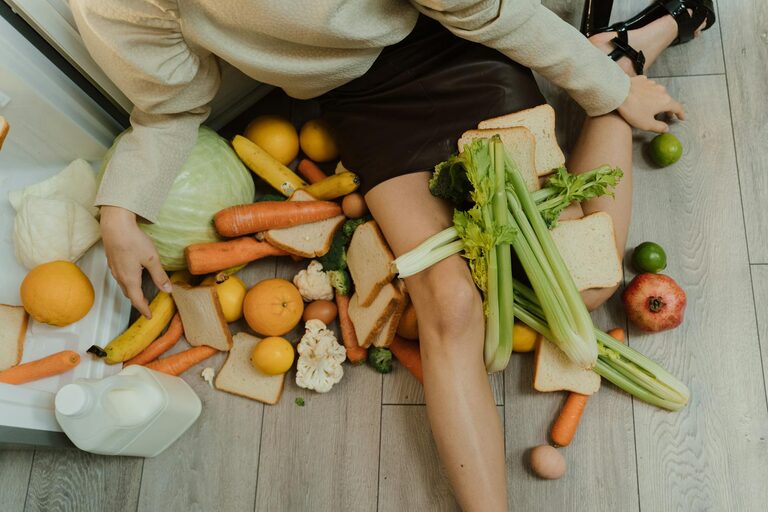
Reducing food waste at home is a practical way to save money, protect the environment, and make the most of the food you buy. Every year, millions of tons of food are thrown away worldwide, often ending up in landfills where they produce harmful greenhouse gases. Fortunately, with a few mindful habits, you can significantly decrease your household’s food waste. In this post, we’ll explore several easy-to-implement methods that can help you enjoy your meals while minimizing waste.
Understand the Impact of Food Waste
Before diving into tips, it’s helpful to know why reducing food waste matters. Food production consumes water, energy, and labor. When food is wasted, these resources are wasted too. Additionally, discarded food contributes to landfill mass, generating methane gas, a potent contributor to climate change. By lowering food waste, households play a key role in environmental preservation and resource conservation.
Plan Your Meals Thoughtfully
One of the most effective ways to avoid waste is planning your meals in advance.
Create a Weekly Meal Plan
– Make a list of meals for the week based on what you already have.
– Consider simple recipes that use similar ingredients to avoid buying unnecessarily.
– Adjust portion sizes to match the number of people eating.
Shop with a List
– Take your meal plan shopping list to the store.
– Stick to the list to prevent impulse buying, which can lead to excess food.
– Buy perishable items in smaller quantities if unsure about using them before they spoil.
Store Food Properly
Proper storage extends the life of your groceries and reduces spoilage.
Keep Fruits and Vegetables Fresh
– Store fruits and vegetables separately, as some fruits release ethylene gas that speeds up ripening.
– Use airtight containers or reusable produce bags for leafy greens and herbs.
– Keep potatoes, onions, and garlic in a cool, dark place, avoiding the fridge.
Use Clear Storage Containers
– Transfer leftovers and prepped foods into clear, labeled containers.
– This makes items visible and reminds you to eat them before they go bad.
Understand Expiration Dates
– “Sell by,” “Best by,” and “Use by” dates can be confusing.
– Many foods are safe to eat after these dates if stored correctly.
– Use your senses to check for spoilage: sight, smell, and texture.
Use Leftovers Creatively
Leftovers don’t have to be boring or wasteful.
Repurpose Leftover Ingredients
– Turn stale bread into croutons or breadcrumbs.
– Use wilted vegetables in soups, stews, or smoothies.
– Combine leftover meats and vegetables into casseroles, omelets, or sandwiches.
Store Leftovers Correctly
– Cool leftovers quickly and refrigerate within two hours.
– Use clear containers and label with date stored.
– Consume leftovers within 3-4 days or freeze for longer storage.
Manage Portions and Serving Sizes
Serving the right amounts helps reduce uneaten food on plates.
Start Small
– Serve smaller portions during meals.
– It’s easy to go back for seconds if still hungry, avoiding plate waste.
Encourage Family Participation
– Teach kids to take only what they think they will eat.
– Let guests serve themselves buffet-style to control quantities.
Compost Food Scraps
Even with the best efforts, some food scraps are unavoidable.
Start a Compost Bin
– Compost fruit and vegetable peels, coffee grounds, eggshells, and other organic waste.
– Composting reduces landfill use and creates nutrient-rich soil for gardening.
Use Community Composting Resources
– If home composting isn’t an option, check for local compost collection programs.
– Many communities have drop-off points or collection services.
Donate Surplus Food
If you have non-perishable food or surplus items in good condition:
– Consider donating to food banks or shelters.
– Check for local programs that accept unopened, safe-to-eat foods.
Practice Smart Freezing
Freezing is an excellent way to preserve food that might otherwise spoil.
Freeze in Portions
– Divide bulk items into meal-sized portions before freezing.
– This prevents thawing more than you need and wasting the rest.
Freeze Leftovers and Prepped Ingredients
– Soups, sauces, and cooked grains freeze well.
– Freeze fresh herbs in ice cube trays with water or oil for easy use in cooking.
Regularly Audit Your Pantry and Fridge
Regularly reviewing what you have helps use up older items first.
– Arrange shelves so older products are in front.
– Check expiration dates weekly.
– Use apps or notes to track what items you have and their shelf lives.
Conclusion
Reducing food waste at home is achievable with a few mindful changes to how you shop, store, and cook. By planning meals, storing food properly, creatively using leftovers, and adopting environmentally friendly practices like composting, you can make a positive impact both financially and ecologically. Small, consistent efforts lead to big changes — your kitchen and the planet will thank you!