
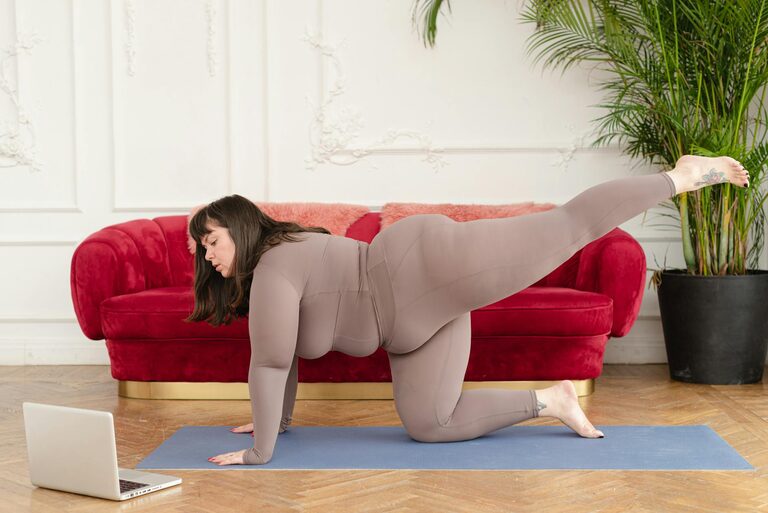
Stretching is a simple, effective way to improve your physical health and enhance your overall well-being. Whether you spend much of your day sitting or regularly engage in physical activity, incorporating stretching into your routine can help reduce muscle tension, improve flexibility, and promote relaxation. The best part? You can easily practice stretching at home with no special equipment.
In this beginner’s guide, we’ll explore the benefits of stretching, basic safety tips, and easy stretches you can perform in your living room, bedroom, or anywhere comfortable. Let’s dive in!
Why Stretching Matters
Stretching helps lengthen muscles and tendons, improving flexibility and range of motion. This can make daily tasks easier and reduce the risk of injury during physical activities. Additionally, stretching promotes better blood circulation and may relieve muscle stiffness after long periods of inactivity.
Some key benefits of regular stretching include:
– Improved posture
– Increased flexibility and mobility
– Reduced muscle tension and soreness
– Better circulation and energy levels
– Enhanced relaxation and stress relief
Even short daily sessions can produce noticeable results over time.
Safety First: Stretching Tips for Beginners
Before you start, keep a few important safety tips in mind to make your stretching routine effective and prevent injury:
Warm Up Slightly
Stretching cold muscles can lead to strains. Do a light warm-up for 3-5 minutes—such as walking on the spot, gentle arm swings, or marching—to increase blood flow before stretching.
Stretch Slowly and Gently
Ease into stretches without bouncing or forcing your muscles. Hold each stretch steadily and breathe deeply for 15-30 seconds.
Avoid Pain
Stretching should feel like a gentle pull, never sharp or painful. Ease off immediately if you experience discomfort.
Do Both Sides
Balance is key. Stretch both sides of your body evenly to maintain symmetry and prevent muscle imbalances.
Be Consistent
Stretch daily or at least several times a week. Regular sessions help develop flexibility and relieve tension effectively.
Basic Stretches You Can Do at Home
Here’s a simple routine targeting major muscle groups. Complete each stretch slowly and remember to breathe deeply.
1. Neck Stretch
– Sit or stand upright.
– Slowly tilt your head toward your right shoulder until you feel a gentle stretch on the left side of your neck.
– Hold for 20 seconds, then switch sides.
2. Shoulder Rolls
– Stand or sit with your arms relaxed at your sides.
– Roll your shoulders in slow circles, first forward 10 times, then backward 10 times.
– This helps release tension around your upper back and shoulders.
3. Arm and Chest Stretch
– Clasp your hands behind your back.
– Straighten your arms and gently lift them while opening your chest.
– Hold for 20-30 seconds.
4. Cat-Cow Stretch (for back flexibility)
– Begin on hands and knees in a tabletop position.
– Inhale, arch your back, lifting your head and tailbone toward the ceiling (Cow).
– Exhale, round your back, tucking your chin and pelvis (Cat).
– Repeat slowly for 5-8 breaths.
5. Seated Hamstring Stretch
– Sit on the floor with one leg extended and the other bent so that the sole of your foot touches your inner thigh.
– Reach toward your toes on the extended leg, keeping your back straight.
– Hold for 20-30 seconds, then switch legs.
6. Quadriceps Stretch
– Stand near a wall or chair for support.
– Bend one knee, bringing your heel toward your buttocks.
– Hold your ankle with your hand to stretch the front of your thigh.
– Keep your knees close together and hold for 20 seconds.
– Switch legs.
7. Calf Stretch
– Stand facing a wall.
– Place your hands on the wall at shoulder height.
– Step one leg back, keeping it straight with the heel flat on the floor.
– Bend the front knee slightly.
– Hold the stretch for 20-30 seconds and switch sides.
8. Child’s Pose (relaxing stretch)
– Kneel on the floor and sit back on your heels.
– Stretch your arms forward, lowering your chest toward the floor.
– Breathe deeply and hold for 30 seconds or longer.
Making Stretching a Habit
To reap the benefits of stretching, consistency is key. Here are some ideas to help integrate this healthy habit into your daily routine:
– Set a reminder: Use your phone or calendar to schedule stretch breaks.
– Stretch after exercise: Stretching post-workout helps improve recovery.
– Incorporate it into your morning or evening routine: Stretching can be a gentle way to start or unwind your day.
– Use guided videos: Many online tutorials and apps can lead you through stretching sessions.
Final Thoughts
Stretching at home is a low-cost, accessible way to improve your flexibility and reduce muscle tension. With just a few simple stretches performed regularly, you can feel more relaxed, move more freely, and support your overall health.
Start slow, listen to your body, and enjoy the calming benefits of stretching from the comfort of your own space. Happy stretching!