
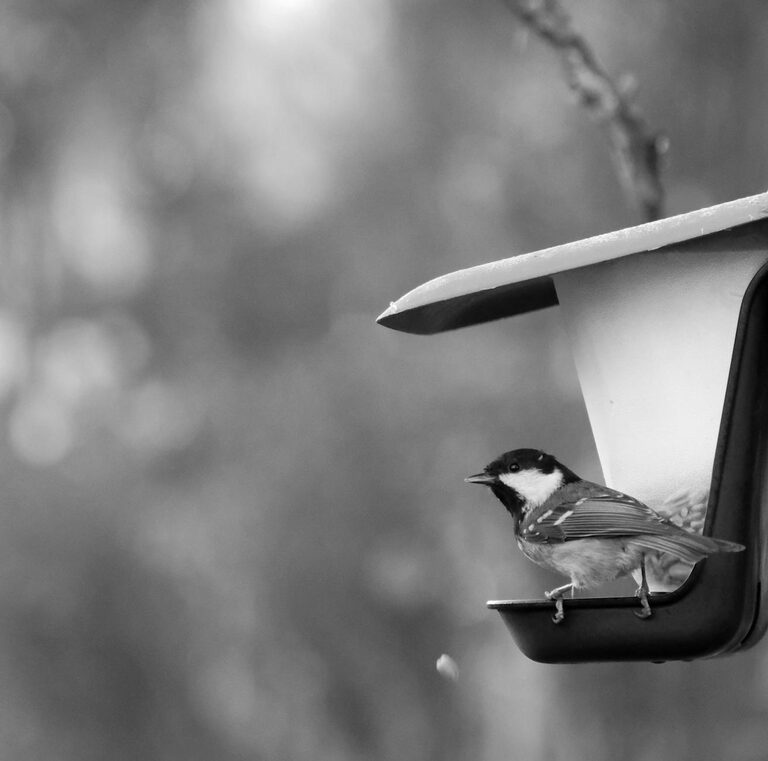
Birdwatching is a rewarding and relaxing hobby that connects you with nature right in your own backyard. For beginners, the idea of identifying different birds and attracting them can seem overwhelming, but with a few simple tips, you can start enjoying birdwatching today. This guide will walk you through the basics, from setting up your space to spotting your first feathered visitors.
Why Backyard Birdwatching?
Birdwatching is accessible, enjoyable, and educational. You don’t need to travel far or invest much to begin. Watching birds can also bring peace, help reduce stress, and spark curiosity about the natural world around you. Plus, it’s a great activity for all ages.
Getting Started: Essential Tools for Beginners
You don’t need fancy equipment to start. Here are the basics:
– Binoculars: A decent pair of binoculars helps you see details without disturbing birds. Look for compact, mid-range models that are easy to handle.
– Bird Guidebook or App: A field guide or a bird identification app will help you learn about the birds in your area.
– Notebook or Bird Journal: Recording your observations can deepen your connection and track the species you’ve seen.
– Bird Feeder: Providing food attracts birds, making it easier to observe them regularly.
Choosing the Right Spot in Your Backyard
To get the best views, consider the following:
– Place feeders in a quiet, sheltered spot but near a window or seating area for easy watching.
– Avoid areas with too much human traffic or loud noises.
– Provide natural cover near feeders such as bushes or trees where birds can safely perch.
Selecting Food to Attract Birds
Different birds prefer different types of food. Here are common choices:
– Black Oil Sunflower Seeds: Popular with many bird species due to high energy content.
– Nyjer (Thistle) Seeds: Attract finches with their tiny, oil-rich seeds.
– Suet Cakes: Especially good for woodpeckers and other insect-eating birds.
– Fruit and Nectar: Orioles and hummingbirds enjoy these sweet treats.
Offering a variety can bring a diverse group of birds to your yard.
Creating a Bird-Friendly Habitat
Beyond feeders, making your yard welcoming increases bird visits:
– Provide Fresh Water: A birdbath or shallow water source helps birds drink and bathe.
– Plant Native Trees and Shrubs: Food, shelter, and nesting places come naturally with local plants.
– Avoid Chemicals: Pesticides and herbicides can harm birds and reduce their insect food supply.
Basic Birdwatching Etiquette
To ensure the experience is safe and enjoyable:
– Be patient and move slowly to avoid startling birds.
– Keep noise low near feeding areas.
– Observe from a distance and avoid touching nests or birds.
– Keep pets away during birdwatching sessions.
Tips for Identifying Birds
Learning bird identification can be fun and fulfilling. Try these tips:
– Focus on distinctive features: size, color patterns, beak shape, and behavior.
– Notice bird sounds and calls; often they are unique identifiers.
– Use your guidebook or app to compare photos and descriptions.
– Take photos if possible for later study.
Keeping Your Interest Alive
Birdwatching is a hobby that grows as you learn more. To keep it exciting:
– Change feeder locations or types to attract new species.
– Join local birdwatching groups or online forums to share sightings.
– Participate in bird counts or conservation events.
– Observe birds at different times of day or seasons to see variations.
Common Backyard Birds for Beginners
If you’re in North America, some typical backyard birds to spot include:
– American Robin
– Northern Cardinal
– Blue Jay
– Black-capped Chickadee
– Mourning Dove
– House Finch
– Downy Woodpecker
Start by learning to recognize these common visitors.
—
Getting started with backyard birdwatching need not be complicated or costly. With some simple preparation and curiosity, you can enjoy the vibrant world of birds all around you. So, grab your binoculars, set up a feeder, and see who stops by your yard next! Happy birdwatching!